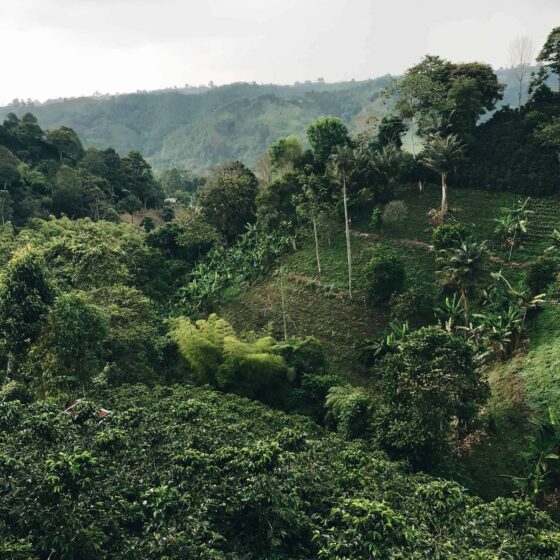

In a world where environmental responsibility is no longer optional, organic farming stands out as a promising path toward a healthier planet and food system. But as the demand for organic products grows, so does the need to ensure that organic agriculture is not only ethical but also sustainable—economically, environmentally, and socially.
This article explores what it takes to make organic farming truly sustainable for the long haul and why it matters for farmers, consumers, and the earth.
What Is Organic Farming?
Organic farming avoids synthetic fertilizers, pesticides, and genetically modified organisms (GMOs), focusing instead on natural processes, crop diversity, and soil health. It’s a method designed to work in harmony with nature.
But going organic is just the beginning. Making it sustainable means building a system that:
-
Protects the environment
-
Supports the local community
-
Provides long-term economic viability for farmers
Environmental Sustainability in Organic Farming
A major benefit of organic farming is its potential to regenerate the land rather than deplete it. To achieve lasting sustainability, organic farms often implement:
-
Crop rotation to prevent soil nutrient depletion
-
Compost and organic mulches to reduce erosion and retain moisture
-
Cover cropping to suppress weeds and build soil structure
-
Integrated pest management using natural predators instead of harmful chemicals
-
Water conservation techniques, like drip irrigation and rainwater harvesting
These practices not only increase resilience against climate change but also improve the long-term productivity of the land.
Economic Sustainability for Farmers
Sustainability means a farm must also support the people who run it. For organic farmers, that includes:
-
Access to fair markets and pricing
-
Reduced input costs (no synthetic fertilizers or pesticides)
-
Certification support and training
-
Direct-to-consumer sales through farmers’ markets, CSAs, or e-commerce platforms
Many farmers now work with cooperatives or ethical trade partners to reduce barriers and reach wider markets while keeping more profit in the hands of the growers.
Social and Community Impact
A truly sustainable organic farm benefits not just the land and the grower—but the entire community. This includes:
-
Fair labor practices
-
Educational outreach on sustainable agriculture
-
Hiring local workers
-
Building stronger local food systems
Consumers are increasingly drawn to brands and farms that demonstrate a commitment to social responsibility, which makes this a win for everyone.
Making Organic Sustainable at Scale
As organic farming scales up to meet growing demand, the challenge becomes maintaining quality, transparency, and sustainability. Key solutions include:
-
Agroforestry: Combining crops with native trees for biodiversity
-
Renewable energy use: Solar-powered irrigation and farm equipment
-
Biodegradable packaging: Reducing the environmental impact of product delivery
-
Digital tools: Helping farmers track soil health, yield data, and weather patterns
Investing in education and infrastructure is essential for long-term sustainability, especially in developing regions where many organic farms operate.
What This Means for Coffee Lovers
At Artisan Blend Coffee, we proudly support organic farming practices by sourcing beans that are grown using eco-friendly, small-scale methods. Many of our partners use traditional organic techniques that enrich the soil, protect pollinators, and ensure the long-term health of their farms and families.
When you choose organic coffee, you’re supporting a more sustainable future—from seed to sip.