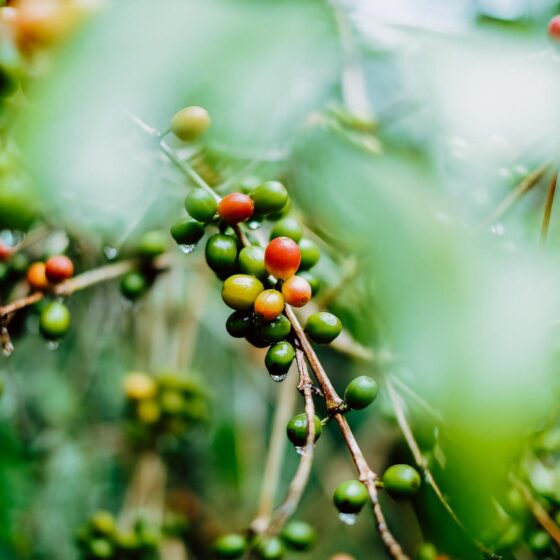
High in the misty mountains of Brazil, where red clay roads wind through lush green hills, lives a family whose life revolves around one thing: coffee. We had the privilege of visiting their farm to learn what it truly means to grow coffee with heart, heritage, and harmony with the land.
In this exclusive interview, meet the Rodrigues family—multi-generational coffee growers from the highlands of Minas Gerais—and hear their story of tradition, sustainability, and the love that goes into every bean.
Rooted in the Land: Generations of Coffee Farming
Q: Tell us about your family’s history with coffee. How did it all begin?
A: “My grandfather planted the first trees over 70 years ago,” says Paulo Rodrigues, the current head of the farm. “Back then, it was all by hand. No machines, no shortcuts—just hard work, patience, and trust in the land. We still use many of those same techniques today.”
The Rodrigues family farm lies at nearly 1,200 meters elevation, ideal for growing high-quality Arabica coffee with vibrant flavor profiles. The cool mountain air and rich volcanic soil create the perfect terroir for slow, even ripening—resulting in beans with balanced acidity, natural sweetness, and floral notes.
Sunrise to Sunset: A Day on the Farm
Q: What does a typical day look like during the harvest season?
A: “We rise before the sun,” says Paulo’s daughter, Isabela, who helps manage logistics and quality control. “We hand-pick the ripest cherries only. It’s slower, but it protects the trees and ensures better flavor. After the harvest, we spread the beans on raised beds to dry under the sun. It takes days—but it’s worth it.”
Their natural drying process preserves the full complexity of the bean, often leading to rich chocolate, almond, and fruit-forward notes. Every stage—from picking to drying to milling—is done on-site by the family and a small team of trusted local workers.
Sustainability Is a Family Value
Q: How do you protect the environment while running a productive coffee farm?
A: “The land gives to us, so we must give back,” Paulo says. “We don’t use synthetic chemicals. Instead, we use compost, mulch, and companion planting. We also protect the natural forest around our farm because it brings birds and bees that help the crops.”
This organic and sustainable approach is central to their philosophy. The farm is committed to preserving biodiversity, reducing water waste, and improving soil health naturally—practices increasingly in demand by ethical coffee roasters and conscious consumers.
Coffee as a Bridge Between Worlds
Q: What does it mean to see your coffee enjoyed around the world?
A: “It makes us proud,” says Isabela, smiling. “When someone in another country drinks our coffee, they taste our story. It connects us—even though we may never meet.”
Their beans have been part of award-winning specialty blends and are often featured in artisan roasts for small-batch coffee brands. Buyers who visit often leave with more than just beans—they carry the warmth of the Rodrigues family and a deeper appreciation for the journey from farm to cup.
Final Thoughts: A Cup of Meaning
As our interview ends, we sit under the shade of an old avocado tree, sipping a freshly brewed pour-over made with beans grown just a few yards away. It tastes of chocolate and stone fruit, with a clean finish and gentle sweetness—exactly the kind of coffee Artisan Blend Coffee is proud to share with our customers.
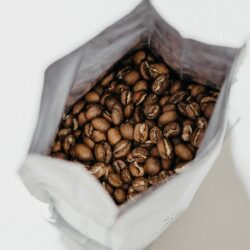
When you choose our coffees, you’re not just buying a bag of beans. You’re supporting family farmers, sustainable agriculture, and the timeless traditions that make truly artisan coffee possible.